Saudi Arabia Rishta Guide: How to Find Verified Gulf Matchmaking Proposals
Finding a suitable matrimonial match within Saudi Arabia or connecting with expatriate families settled in the Kingdom is one of the most active search segments in the South Asian and Middle Eastern diaspora. Whether you reside in Riyadh, Jeddah, Dammam, or are based in Pakistan seeking a life partner working in the GCC, navigating the matrimonial landscape demands practical knowledge of cultural expectations, legal nikah formalities, and residence regulations.
In this comprehensive guide, we unpack the reality of Saudi-based matrimonial searches, how residency and family status impact matchmaking decisions, critical background verification steps, and how you can access genuine profiles through verified channels.
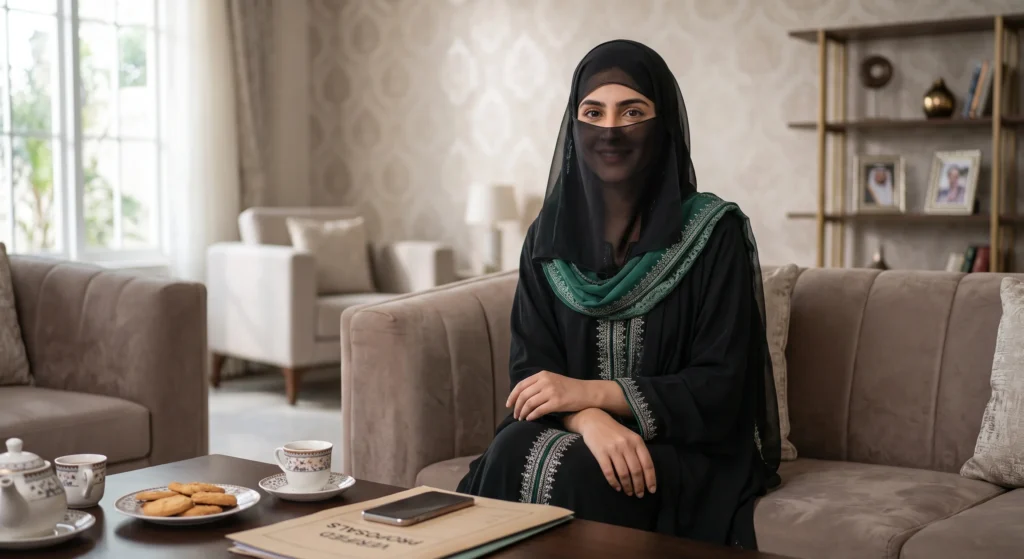
Why Saudi Matrimonial Searches Carry High Intent and Value
The Pakistani and South Asian diaspora in the Kingdom of Saudi Arabia (KSA) comprises millions of professionals across healthcare, information technology, civil engineering, accounting, finance, and corporate management. Because living abroad introduces unique lifestyle adjustments, families looking for proposals prioritize three key pillars:
- Job Stability and Iqama Status: Financial transparency and legal employment records provide security for both the bride and groom.
- Religious and Cultural Alignment: Families residing in the Holy Cities or major metropolitan hubs prefer matches who share grounded cultural traditions, respect family values, and maintain religious observance.
- Transparent Settlement Intentions: Understanding whether a candidate plans long-term career growth in Saudi Arabia or aims for eventual repatriation to Pakistan is a foundational discussion point.
Because of the serious financial and life decisions tied to cross-border matchmaking, online searches in this niche require clear, factual guidance rather than vague promises.
Key Criteria Families Evaluate in Saudi Arabia Proposals
When reviewing profiles for brides or grooms settled in Saudi Arabia, specific attributes stand out during early family evaluations.
1. Professional Background and Technical Qualifications
Modern expatriate families actively seek partners with solid educational credentials. For instance, the demand for tech professionals and software specialists in the Kingdom has grown exponentially due to digital transformation programs across Riyadh and the Eastern Province. You can review profiles such as this 25-year-old software engineer female profile
to see how career qualifications, educational background, and family preferences are structured for transparent review.
2. Legal Iqama Profession and Family Status
In Saudi Arabia, a groom’s official Iqama profession (Mahna) determines whether he can legally sponsor a spouse, sponsor children, and secure independent family housing. When communicating with potential candidates:
- Verify if the sponsor is a reputable corporate employer or an established institution.
- Inquire whether the candidate holds transferable status or valid family visa eligibility.
- Confirm living arrangements—whether the candidate resides in independent family accommodations or employer-provided housing.
3. Local Saudi Matchmaking vs. Expatriate Matches
While the vast majority of cross-border proposals involve overseas Pakistani families residing in KSA, there is also interest surrounding resident proposals and cross-cultural GCC unions. For individuals exploring opportunities and expectations regarding local ties, browsing specialized listings like this Saudi girl looking for life partner
listing helps clarify mutual expectations, language fluency requirements, and regional cultural nuances.
Navigating Legal and Administrative Steps for Marriage in KSA
Getting married involving parties living in Saudi Arabia or moving on a spouse visa involves strict administrative procedures. Understanding these requirements early helps prevent unnecessary delays or legal misunderstandings.
The Official Nikah Process for Expatriates
Expatriates living in Saudi Arabia can solemnize their marriage through authorized family courts (Ahwal Shakhsiya) or through their respective national embassies and consulates in Riyadh and Jeddah.
The essential prerequisites typically include:
- Valid Iqamas: Both parties (or the resident party) must possess valid residency documents with no outstanding legal or labor penalties.
- No-Objection Certificate (NOC): When marrying through diplomatic missions, an official NOC confirming bachelorhood or single marital status from the home country is often required.
- Pre-Marital Medical Screening (Fahas Premarital): Saudi health regulations mandate pre-marital screening for genetic diseases, thalassemia, and infectious conditions at accredited Ministry of Health clinics. Both parties must clear this step before judicial registration.
- Guardian Consent (Wali): Under family law provisions, the consent and verification of the bride’s guardian or an authorized legal representative remains an integral step for the official contract.
Marriage in Pakistan with Subsequent Family Visa Processing
Many overseas professionals choose to travel to Pakistan to perform the traditional Nikah and Walima ceremonies, subsequently bringing their spouse to Saudi Arabia on a Permanent Family Visa (Istiqdam).
To execute this smoothly:
- NADRA Marriage Registration Certificate (MRC): Obtain the official computer-generated English/Urdu certificate.
- Ministry of Foreign Affairs (MOFA) Attestation: The MRC must be attested by MOFA Pakistan.
- Saudi Embassy Attestation: The attested certificate must undergo cultural and embassy attestation before submission to the Saudi Ministry of Foreign Affairs platform for family visa processing.
The Importance of Rigorous Background Verification
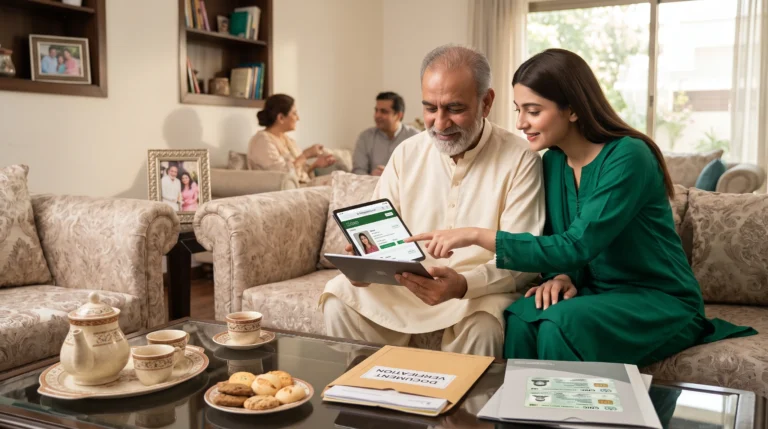
While digital rishta portals eliminate geographical hurdles, families must never bypass practical safety protocols. Background verification safeguards personal privacy and protects both families from financial or emotional fraud.
Verification Checklist for Overseas Proposals
- Company Cross-Verification: Inquire about the employer’s name and office location in Saudi Arabia. Professional networks like LinkedIn and mutual community contacts can verify legitimate employment.
- Direct Guardian Interaction: Authentic proposals welcome early guardian-to-guardian involvement. Be cautious of individuals who refuse to provide family contact numbers or insist on private communication without their parents’ awareness.
- Document Authenticity: Genuine candidates willingly share reference contacts, verified ID credentials, and educational degrees once initial family compatibility is agreed upon.
- Physical Reference Check in Pakistan: Most overseas families maintain ancestral roots or extended family networks in specific Pakistani cities. Arranging a brief meeting between elders in Pakistan establishes trust rapidly.
Reviewing authentic family-backed submissions such as the Saudi Arabia rishta Fatima Al Otaibi female proposal demonstrates how genuine listings provide balanced family context, clear lifestyle expectations, and respectful communication guidelines from the very start.
Living Expenses and Financial Planning for Couples in KSA
Families evaluating a groom settled in Saudi Arabia frequently discuss the economic realities of maintaining a family in the Kingdom. Having a realistic picture of recurring expenses prevents future budget friction.
| Expense Category | Approximate Monthly Cost (SAR) | Practical Notes |
| Family Housing (2-BHK Apartment) | SAR 1,800 – SAR 3,500 | Varies by city; Riyadh and North Jeddah tend to be higher than Eastern Province or suburban districts. |
| Utilities & High-Speed Internet | SAR 400 – SAR 800 | Includes electricity (higher during peak summer air-conditioning months), water, and fiber optic connection. |
| Dependent Fee (Expat Levy) | SAR 400 per dependent | Payable annually during Iqama renewal for non-Saudi spouses and dependents. |
| Groceries and Household Essentials | SAR 1,200 – SAR 2,000 | Standard supermarket expenses for a couple eating balanced home-cooked meals. |
| Health Insurance | Typically employer-covered | Standard corporate contracts provide Class A or B health insurance for employee and registered dependents. |
Understanding these figures allows both families to have dignified, transparent discussions about financial comfort without unrealistic expectations.
How to Set Up an Engaging and Authentic Matrimonial Profile
If you are creating a profile for yourself, a daughter, or a son seeking a proposal linked to Saudi Arabia, following these proven practices will attract serious, high-caliber inquiries:
1. Highlight Life Goals Alongside Current Profession
State clearly whether you intend to build a long-term professional life in Saudi Arabia, relocate to a third country, or eventually return to your native country. Clarity on this point immediately filters out incompatible life paths.
2. Detail Family Background Respectfully
Mention your parents’ profession, city of origin, sibling structure, and religious outlook. In traditional matchmaking, family compatibility is just as vital as individual compatibility.
3. State Preferences Honestly
If you prefer a partner working strictly within specific professional sectors (such as IT, medicine, engineering, or academia) or someone comfortable with an independent family setup, mention this explicitly. Polite honesty saves time for everyone involved.
4. Maintain Privacy Protocols
Never publish sensitive home addresses, private banking details, or National Identity card numbers on open public boards. Legitimate portals allow you to control who receives direct contact access once mutual interest is established.
Frequently Asked Questions (FAQs)
Can Pakistani expatriates get married legally inside Saudi Arabia?
Yes. Expatriates can marry through the local family court system or at their national consulates in Jeddah and Riyadh, provided both parties fulfill medical screening, legal Iqama validity, and guardian consent guidelines.
How long does a Saudi permanent family visa take after marriage?
Once the NADRA Marriage Certificate is attested by MOFA and the Saudi Embassy, submitting the family visa application online via the Ministry of Foreign Affairs (MOFA KSA) portal typically takes between 3 to 10 working days for approval.
Are pre-marital medical tests mandatory in Saudi Arabia?
Yes. The Saudi Ministry of Health requires all couples marrying within the Kingdom to complete mandatory pre-marital screenings to identify common inherited blood disorders and infectious diseases.
Final Thoughts
The journey toward finding a compatible life partner requires balance—pairing an open heart with sound judgment, cultural awareness, and proper verification. By prioritizing genuine communication, respecting legal procedures, and utilizing trustworthy matrimonial directories, families can build honorable, lifelong bonds across borders with complete peace of mind.